
The Recipe
Homemade Hummingbird Food
Ingredients
- • 1 cup white cane sugar
- • 4 cups water
Time
Under 2 minutes • No cooking
Yields ~5 cups (large feeder)
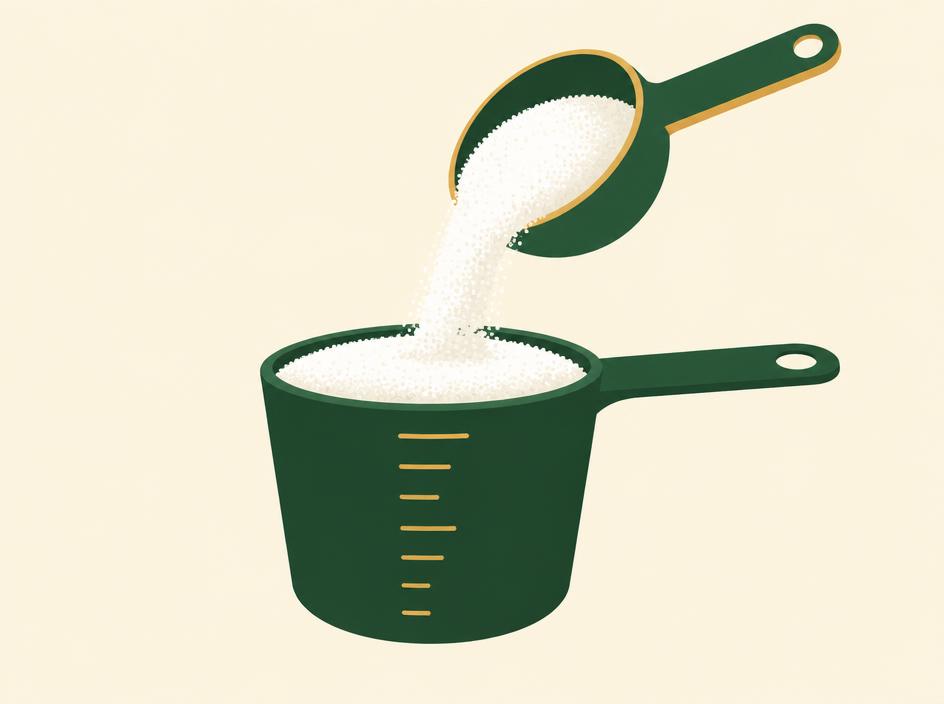 1.Measure 1 cup of white cane sugar.
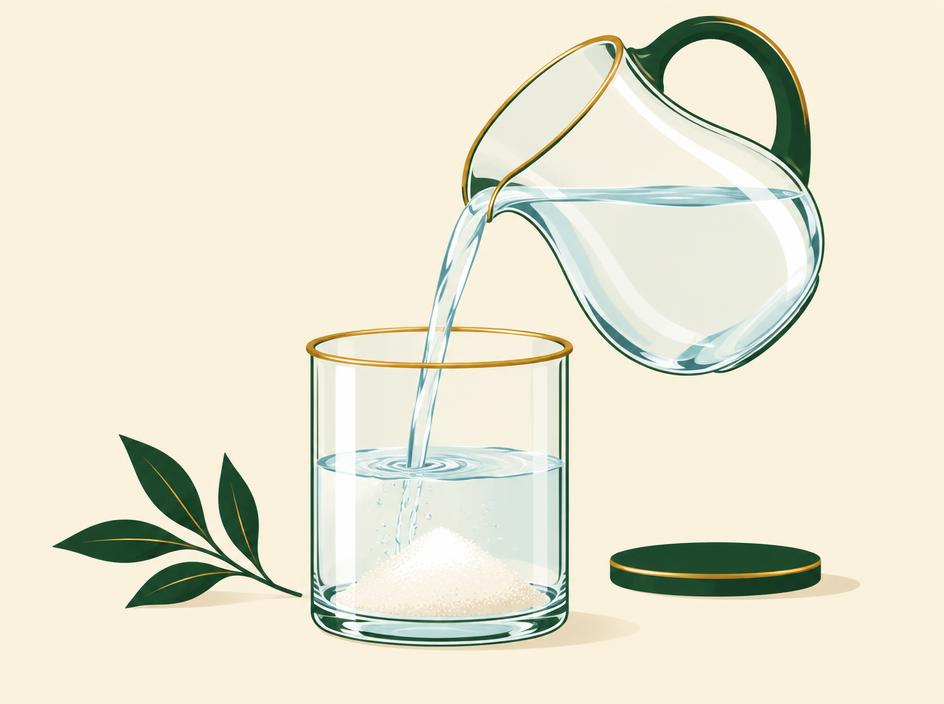 2.Add 4 cups of room-temperature water.
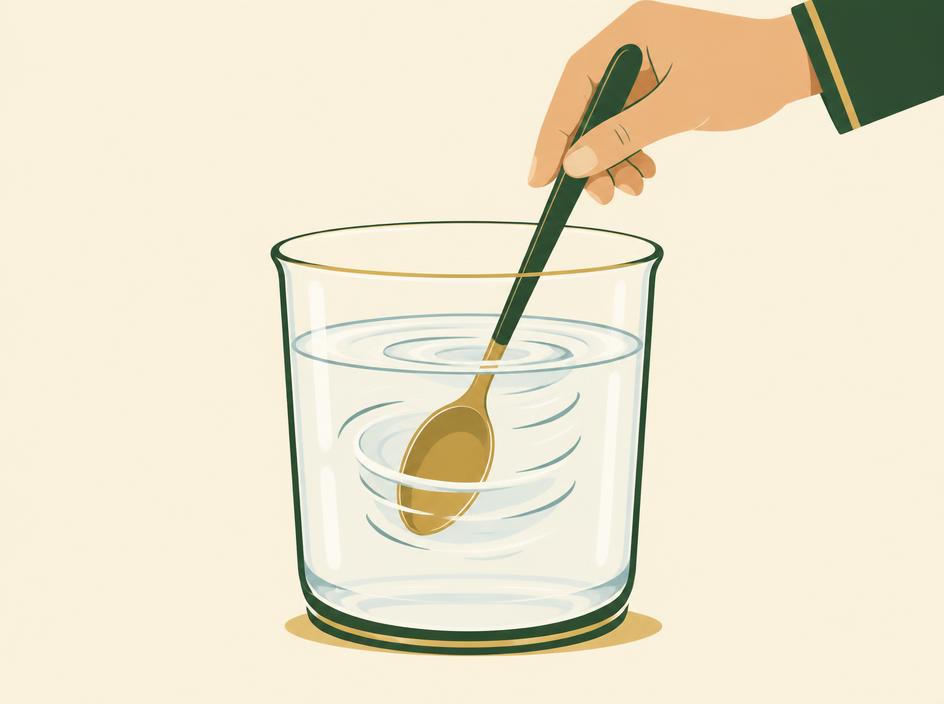 3.Stir until fully dissolved (no boiling needed).
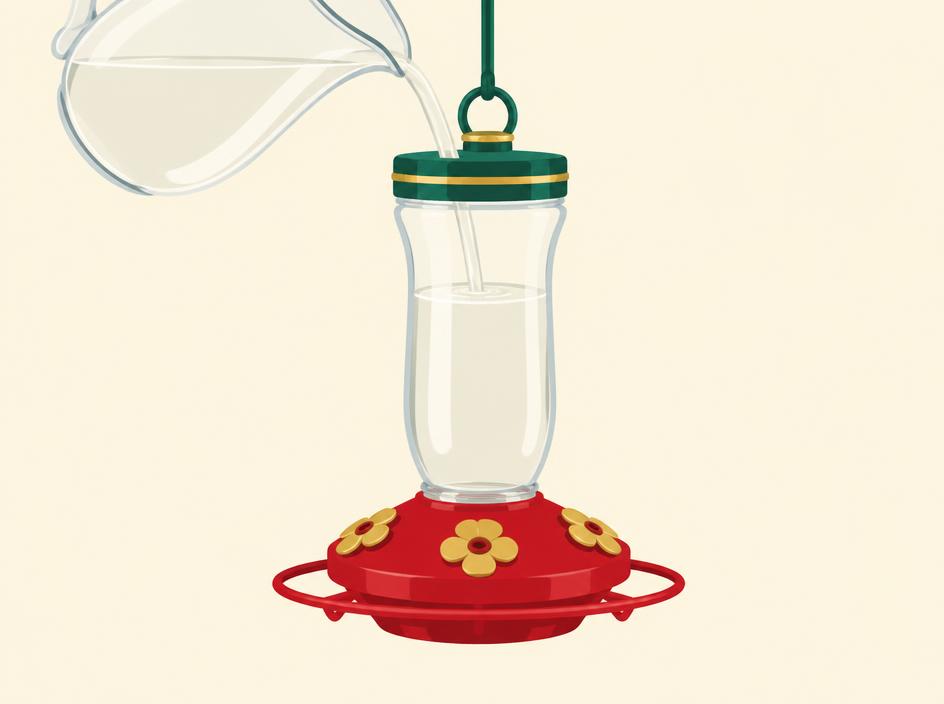 4.Fill your clean feeder. Refrigerate the rest for up to 2 weeks.
Making homemade hummingbird food is simple — if you follow the right hummingbird food recipe. But the internet is full of conflicting advice: boil vs. don't boil, white sugar vs. organic, ratios from 3:1 to 5:1. Here's what the science actually says about the best hummingbird nectar recipe.
The Sugar to Water Ratio for Hummingbird Food
Ornithologists at the Cornell Lab of Ornithology and Smithsonian's National Zoo agree: the ideal hummingbird food ratio is 1 part white cane sugar to 4 parts water (a 4:1 ratio). This produces roughly a 20% sucrose solution — nearly identical to the average sugar concentration found in the wildflowers hummingbirds naturally feed from.
Going higher than 1:3 can stress their kidneys. Going lower than 1:5 doesn't provide enough calories for their extreme metabolism — hummingbirds burn roughly 10 times more energy per gram than an Olympic sprinter during a race.
Why White Cane Sugar?
White cane sugar is pure sucrose — the same molecule found in flower nectar. It's metabolized efficiently by hummingbirds with no byproducts that stress their system.
Do not use:
- Honey — promotes dangerous fungal growth (Aspergillus) that can cause fatal tongue infections.
- Brown sugar / raw sugar / turbinado — contains iron and molasses that hummingbirds can't process safely.
- Organic cane sugar — often has higher iron content due to less refining. Ironically, more processed is safer here.
- Artificial sweeteners — zero calories means zero energy for birds that need extreme caloric intake.
- Red dye — unnecessary and potentially harmful.
Do You Need to Boil the Water for Hummingbird Food?
This is the most debated question in the hummingbird community. The answer: probably not.
Boiling was originally recommended to kill chlorine and bacteria. But modern municipal water is already safe, and the sugar dissolves completely at room temperature with stirring. Boiling does help if you're making a large batch — it can extend fridge life by a day or two — but it's not necessary.
What matters far more is how often you change the nectar in the feeder. In temperatures above 80°F, nectar should be changed every 2 days. Below 70°F, every 4-5 days is fine.
How to Make Hummingbird Food: Step-by-Step
- Measure 1 cup of white cane sugar.
- Add 4 cups of water (tap is fine in most areas).
- Stir until sugar is completely dissolved.
- Fill your feeder. Refrigerate unused nectar for up to 2 weeks.
That's it. No boiling, no dye, no additives.
Hummingbird Nectar Recipe by Water Volume
Use these pre-scaled versions of the 4:1 hummingbird nectar ratio (water to sugar) so you don't have to do the math:
- Hummingbird nectar recipe with 1 cup of water: 1/4 cup (4 tbsp) white cane sugar.
- Hummingbird nectar recipe with 2 cups of water: 1/2 cup (8 tbsp) white cane sugar.
- For a standard 16 oz feeder: 1/4 cup sugar + 16 oz water.
- For a large 32 oz feeder: 1/2 cup sugar + 32 oz water.
- Audubon hummingbird nectar recipe: 1 part sugar to 4 parts water — identical ratio, recommended explicitly by the National Audubon Society.
Hummingbird Nectar: Red vs Clear
One of the most common questions is hummingbird nectar red vs clear — which one do hummingbirds actually prefer? The science is settled: clear is better. Hummingbirds locate feeders by the red color of the feeder itself, not the liquid. Red dye adds zero attractiveness and has been linked to potential kidney and liver stress. Every leading bird organization recommends dye-free, clear nectar.
Ready-to-Use Hummingbird Nectar & Best Brands to Buy
If you'd rather skip the boiling, look for a hummingbird nectar concentrate to measure and mix with water, made from 100% pure cane sugar with no red dye and no preservatives. That's the bar the best hummingbird nectar brands to buy meet — and the standard NectarBloom™ is built around.
Frequently Asked Questions
What is the sugar to water ratio for hummingbird food?
The correct ratio is 1 part white cane sugar to 4 parts water (1:4). This produces a roughly 20% sucrose solution that closely matches the natural nectar in flowers.
How often should you change hummingbird nectar?
Every 2 days above 80°F, every 4–5 days below 70°F. Discard immediately if cloudy.
Can you make hummingbird food with brown sugar?
No. Brown, raw, turbinado, and organic sugars contain iron and molasses that hummingbirds cannot safely process. Plain white cane sugar only.
How long does homemade hummingbird food last in the fridge?
Up to 2 weeks refrigerated. In the feeder: 2 days hot weather, 4–5 days cool.
Common Mistakes
Using too-strong a mix. A 1:3 ratio might seem like you're giving them more energy, but it's harder to drink through their long tongues and can dehydrate them.
Adding red dye. Hummingbirds find feeders by shape and color of the feeder itself — not the liquid. Clear nectar in a red feeder outperforms dyed nectar every time.
Leaving old nectar too long. Fermented nectar grows mold and bacteria. If the liquid looks cloudy or you see black spots, clean the feeder immediately.
Using the wrong sugar. If the sugar has any color to it — brown, amber, golden — don't use it. White granulated cane sugar only.
Why Not Just Buy It?
Making nectar at home is easy — but it's also easy to get wrong, and it's surprisingly time-consuming to keep fresh batches ready all season. That's why we created NectarBloom™: pure cane sugar to measure and mix at the 4:1 ratio. No dye, no preservatives, no guesswork.
Keep going: see why red dye is risky for hummingbirds, learn how to clean your feeder, time things right with the migration timing guide, or jump to our FAQ. Ready to measure and mix? Try NectarBloom™ 2 lb.
Rate this article
Be the first to rate this article.
Fresh nectar in a minute.
No boiling, no dye. The same sugar hummingbird flowers make. One ingredient, nothing else. Measure ¼ cup NectarBloom™ per 1 cup water, then mix and pour.
Get the newsletter